
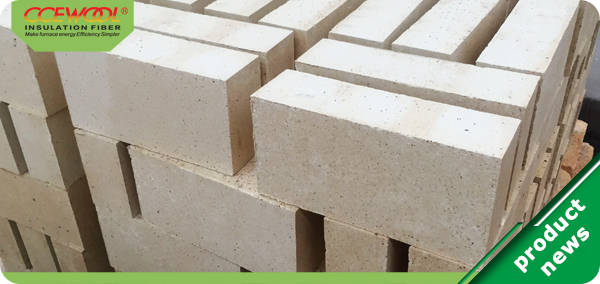
Last issue we introduced the influence of combustion and fuel nozzles on refractory bricks during kiln work. In this issue, we continue to introduce the influence of raw material composition fluctuations on refractory bricks during kiln work.
4. Raw material composition fluctuations on refractory bricks
When the aluminum ratio is too high and the liquid phase viscosity is high, the kiln skin collapses in a large amount, which is difficult to control in operation, which is not good for protecting the kiln lining. In production practice, the aluminum ratio is generally controlled at 1.3 to 1.6. When use high saturation ratio and high silicon raw materials, it is easy to produce viscous bulk material which will scour the kiln skin and severely damage the kiln lining.
The raw material feeding amount fluctuation is more harmful to the kiln lining. When there is too much material in the kiln, it is necessary to turn off the exhaust air at the end of the kiln, increase the amount of pulverized coal for strong firing, which will increase the heat load of the firing zone and cause serious damage to the kiln lining. When there is too little incoming material in the kiln, the pulverized coal flame will tilt down obviously, and the kiln skin in this area will fall off and become thinner at high temperatures. If the air volume and coal consumption are not adjusted in time, it is very easy to damage kiln skin and refractory bricks. In addition, fluctuations in the amount of raw material will cause the unstable temperature of the thermal system in the kiln to cause the kiln skin to fall off or being damaged.

