
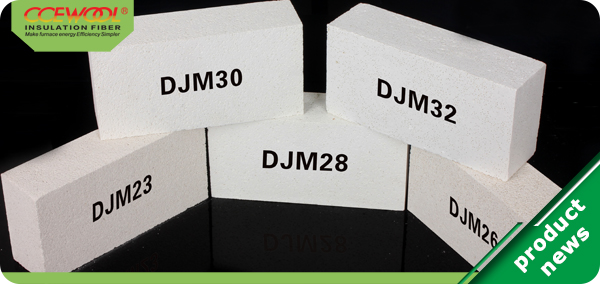
There are two construction techniques for lightweight thermal insulation bricks: one is wet construction, the other is dry construction, and the effects of these two construction techniques are different. Below is the introduction of the two construction techniques.
Wet construction technique of light weight insulation bricks
5.Construction method of light weight insulation bricks
(1) The masonry order and masonry height of lightweight heat-insulating refractory bricks should be determined according to the masonry structure.
(2) Light-weight heat-insulating refractory bricks or light-weight refractory bricks should be laid by drawing threads and brick joints should be staggered.
(3) Concentrated mortar should be used for leveling of lightweight heat-insulating refractory brick masonry. When there is out-of-tolerance protrusion or depression or obstruction by embedded parts or special-shaped bricks, processed bricks should be used for leveling.
(4) When laying lightweight heat-insulating refractory bricks, the horizontal joints should be laid with ash, and the vertical joints should be squeezed with ash-raising method.
(5) Expansion joints should not be left in the light-weight heat-insulating refractory brick masonry, but when the movable ends of other equipment and components are facing the heat-insulating refractory brick, and their expansion value is large, the refractory fiber or other elastic thermal insulation materials should be used to replace thermal insulation refractory bricks.
Next issue we will continue to introduce wet construction technique of light weight insulation bricks. Please stay tuned.

