
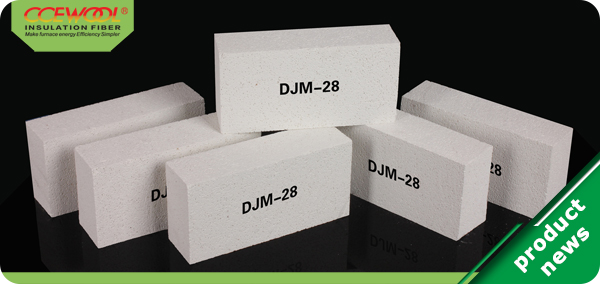
There are two construction techniques for lightweight thermal insulation bricks: one is wet construction, the other is dry construction, and the effects of these two construction techniques are different. Below is the introduction of the two construction techniques.
Wet construction technique of light weight insulation bricks
3 Process inspection
(1) Before building with diatomite bricks, check whether the contact surface between the diatomite bricks and the kiln shell meets the requirements.
(2) When building heavy furnace walls, check whether the quality of the previous refractory masonry meets the requirements and whether the accessories are installed correctly
4 Sawing processing
(1) Bricks used for the staggered joints of heat-insulating masonry or other parts that need to be processed should be sawed with a hand saw or a hacksaw, and cannot be cut with a brick knife.
(2) When batch processing light-weight heat-insulating refractory bricks, it is advisable to use model control, and use saw blades or steel needles to mark directly.
(3) In order to improve the processing accuracy, the contact point between the lightweight heat-insulating refractory brick and the special-shaped steel component should be determined by the embossing method.
Next issue we will continue to introduce wet construction technique of light weight insulation bricks.

