
Insulation refractory materials can be classified as follows according to the form of the material: powder and granular thermal insulation materials, shaped thermal insulation materials, fibrous thermal insulation materials and composite thermal insulation materials.
(1) Powder and granular insulation refractory material materials include powder-grain bulk materials that directly use refractory powder or granular materials as filling insulation layers without binders and powder-grain bulk light-weight amorphous heat-insulating refractories containing binders. The powdery granular heat-insulating material is convenient to use and easy to construct. It can become an effective heat-insulating layer for high-temperature kilns and equipment by filling and making on site.
(2) Shaped heat-insulating refractory material refers to a heat-insulating material with a certain shape with a porous structure. Among them, brick-shaped products are the most common, so they are generally called lightweight heat-insulating bricks. Lightweight insulation bricks are characterized by stable performance and convenient for application, transportation and storage.
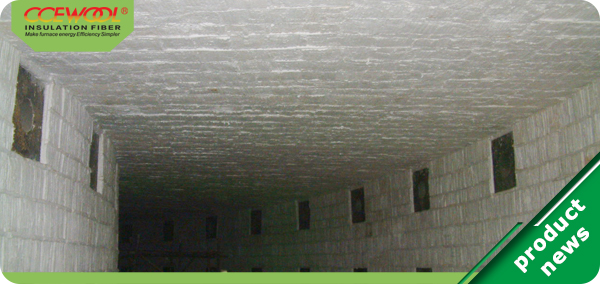
(3) Fibrous thermal insulation refractory materials are cotton-like and fiber-like heat-insulating materials. Fibrous materials are easy to form porous structures. Therefore, fibrous thermal insulation materials are characterized by light weight, good thermal insulation performance, elasticity, and good sound absorption and shock resistance.
(4)Composite thermal insulation materials mainly refer to thermal insulation materials produced from fiber materials and other materials, such as thermal insulation panels, thermal insulation coatings and other thermal insulation materials.

