
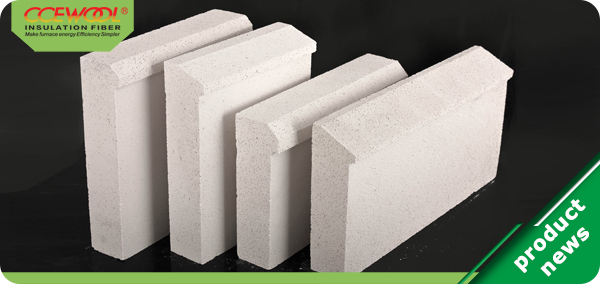
There are two construction techniques for lightweight thermal insulation bricks: one is wet construction, the other is dry construction, and the effects of these two construction techniques are different. Below is the introduction of the two construction techniques.
Dry construction technique of light weight insulation bricks
1 Requirements
(1) The materials and specifications of dry-laid lightweight heat-insulating refractory bricks and fillers must meet the design requirements.
(2) The appearance of dry-laid lightweight heat-insulating refractory bricks should be intact, and those with serious damage should not be used.
(3) The filler used for joint laying should be dry and have good filling performance. If there is moisture or agglomeration, it should be dried and sieved before use.
(4) Dry-laid lightweight heat-insulating refractory bricks should be constructed with staggered joints.
2 Inspection before dry laying
(1) Before construction, the kiln shell and related accessories should be installed and pass the process inspection.
(2) When building refractory bricks or pouring refractory castables first, the construction quality of the brick masonry and the cast should be able to meet the normal construction conditions of the insulated masonry, and the height should be appropriate.
(3) When filling masonry in the narrow groove between the shell wall and the masonry, the brick chips, mud and other debris in the narrow groove must be completely removed.
Next issue we will continue to introduce construction technique of light weight insulation brick.

