
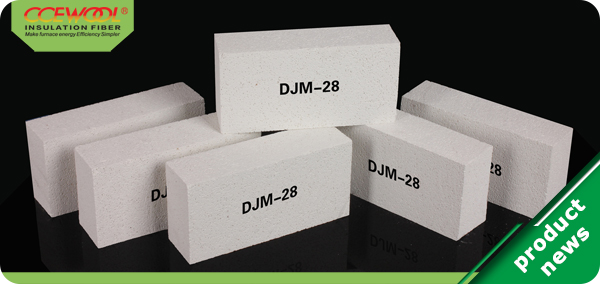
The top of the kiln is a light-weight refractory brick flat ceiling structure. The ceiling height is set according to the temperature zone, which not only meet the firing of ceramic products, but also reduce the temperature difference between the upper and lower sides. This structure is convenient for atmosphere adjustment and temperature control in the kiln.
The roof of the quench section kiln adopts ceramic fiber folded blocks to hang horizontally, and the kiln roof of the slow cooling section adopts composite lamination blocks of fiber wool felt and slag wool.
The kiln wall is built with high-aluminum poly-light bricks from the inside to the outside, and different types of fiber blankets are added for heat insulation, so that the total thickness of furnace wall is reduced, thereby reducing the accumulated heat dissipation loss of the kiln wall. The kiln wall can be made of large quantity of ceramic fiber wool and heat insulation board, the outer wall is coated with perlite and other insulation materials, and the inner wall is sprayed with infrared high-temperature coating to reduce the thickness of the kiln wall and reduce the heat transfer such as conduction and radiation, and reduce the heat storage of kiln wall, so that the kiln’s thermal efficiency is improved.
At present, the bottom floor of roller kilns is almost all steel plates. This is because steel plates have sufficient mechanical strength and compressive strength, but the thermal conductivity of metal is very high, which will not help reduce heat loss. Use waterproof and refractory bricks instead of steel plates should be much better. The thermal conductivity of such bricks and slabs is much lower than that of metal, which helps to reduce heat loss; the other is that such bricks and slabs also have certain mechanical strength and heat resistance.
Next issue we will continue to introduce application of lightweight refractory brick in roller kiln. Please stay tuned.

